A Decolonial Memoir: Desires and Frustrations
Description
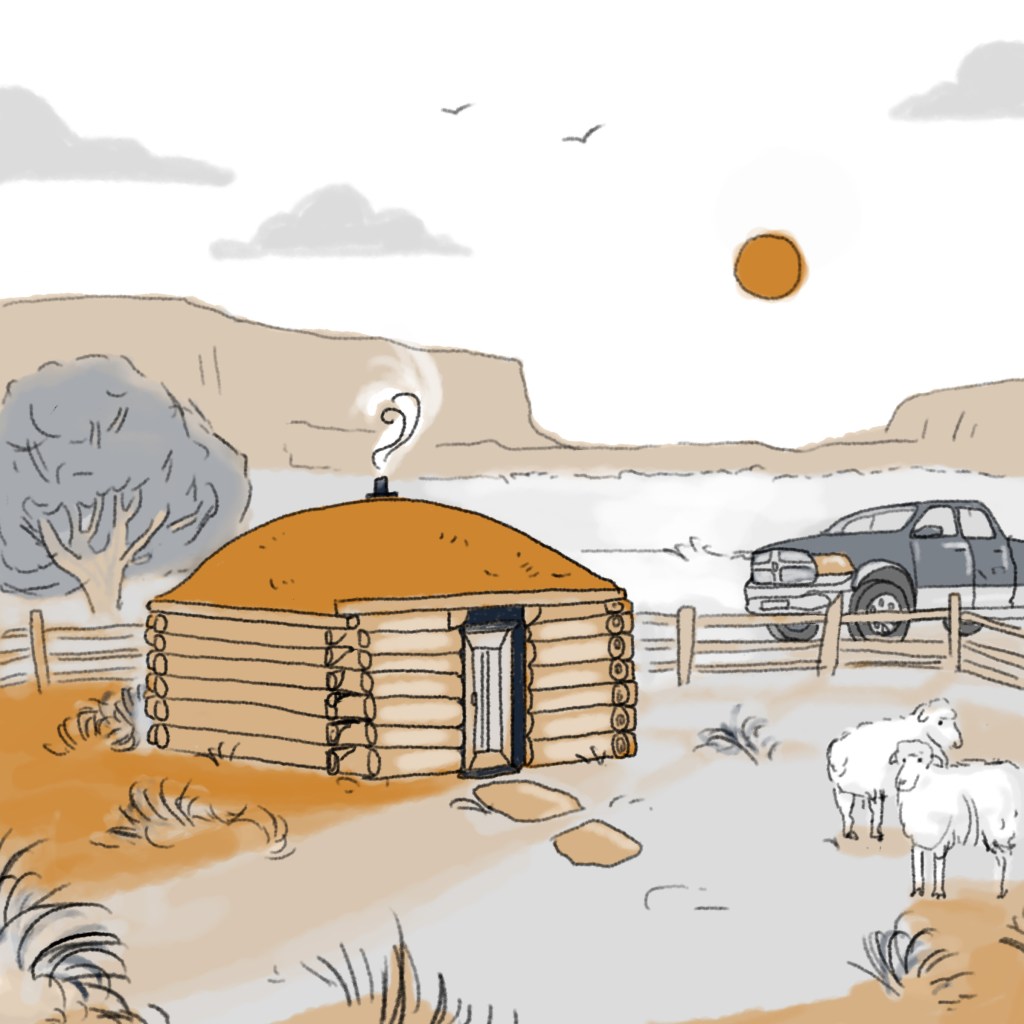
Oftentimes when we engage with the framework of decolonization, it comes from a very specific theoretical strand within the academy and does not include or interconnect with the lives of Indigenous Peoples, especially those who have survived and continue to survive genocide. This OER engages with the idea of decolonization through a short narrative that highlights a conversation from a grandchild and their grandmother. The story does not adhere to a linear format of time, yet goes back and forth between the past and present, an almost cyclical reflections as one plans and figures out their future. The work of decolonization requires an entire epistemological, ontological, axiological, and methodological shift internally and externally. This is simply the beginning of a lifetime commitment.
Diné Glossary
- ahéhee’: thank you
- k’ad: phrase used to end a conversation or start a new one
- kinaaldá: women becoming ceremony
- nahjee’: phrase used for expressing that I’m finished and/or go away
- shídeezhí: my little sister
- shimásaní: my grandma
- shiyazhí: my little one
- yadilah: phrase used in frustration
References
Smith, L. T. (2012). Decolonizing methodologies: Research and Indigenous peoples. Zed Books.
Tuck, E., & Yang, K. (2012). Decolonization is not a metaphor. Decolonization: Indigeneity, Education, & Society, 1(1), 1-40.
How to use this resource
This resource is or includes: audio short and conversation. It's intended for the following audiences and educational settings: adult learners, college/university/post-secondary, community education, and students.